Tags: How to Survive Anything
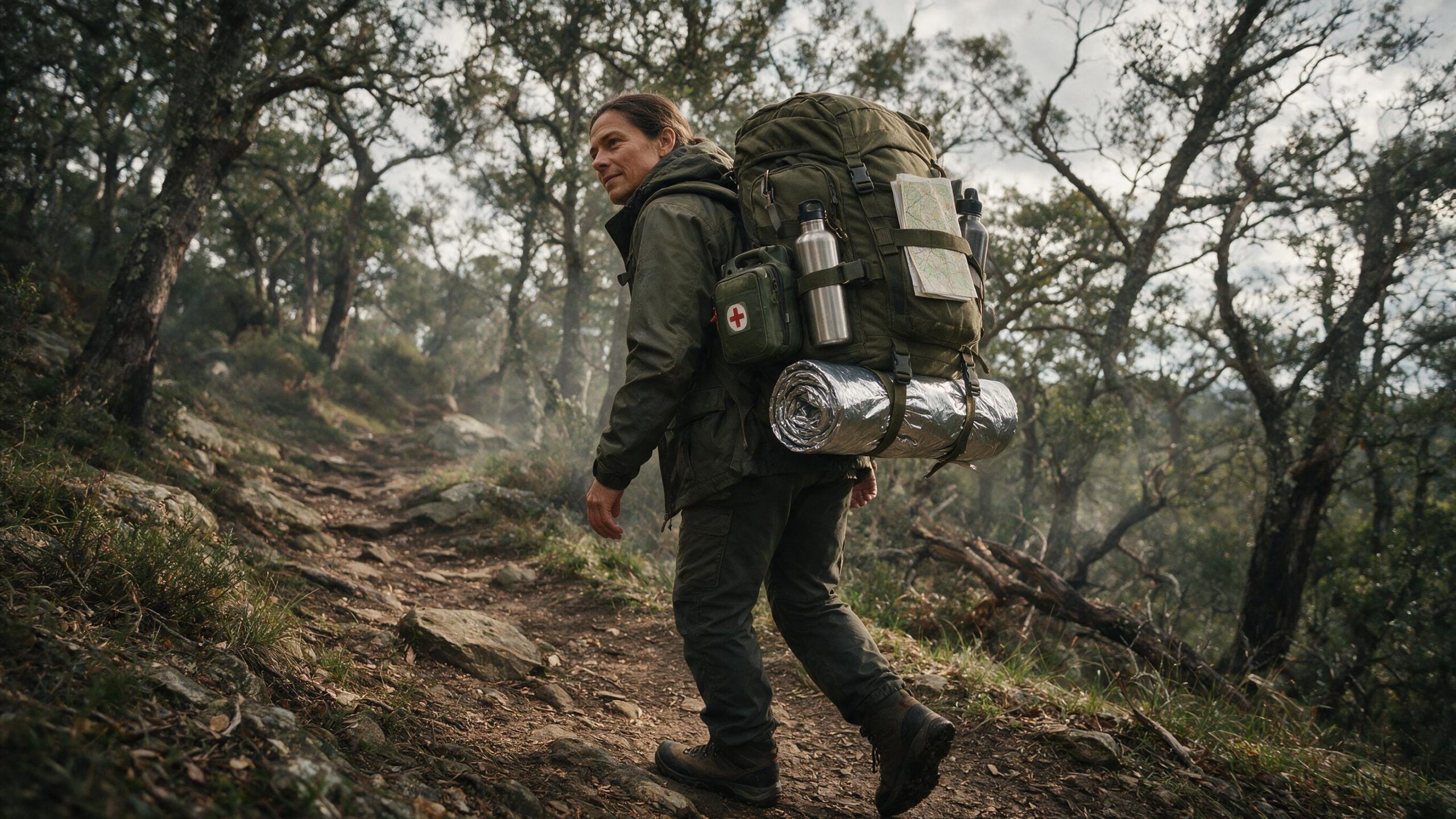
How to Survive Anything
Nobody can prepare for every possible emergency. But you can learn a reliable way to respond when life becomes uncertain, dangerous or uncomfortable.
Knowing how to survive anything is not about becoming a wilderness expert, buying expensive gear or expecting disaster around every corner. It is about recognising immediate threats, controlling panic, making good decisions with limited resources and taking practical action before a problem becomes worse.
Whether you are stranded in bad weather, caught in a power cut, lost outdoors, facing a natural disaster or dealing with an emergency at home, the same core survival principles apply. Your surroundings may change, but your priorities do not.
This modern survival guide explains the essential survival mindset, the order in which to solve problems, the skills worth learning and the preparations that make emergencies easier to manage.
Important: In a life-threatening emergency, contact local emergency services as soon as it is safe to do so. Survival knowledge supports professional help; it does not replace it.
Start With the Survival Mindset
The most useful survival tool is your ability to think clearly.
Fear is a normal response to danger, but panic can cause people to waste energy, take unnecessary risks or overlook simple solutions. When something goes wrong, pause before you act. Take slow breaths, look at the situation and focus on the next useful decision rather than every possible consequence.
A simple way to stay grounded is to ask:
What is the immediate danger?
Who needs help right now?
What resources do I have?
What can I do in the next 10 minutes?
How can I signal for help or reach safety?
This approach turns an overwhelming event into smaller, manageable tasks. Survival is rarely one dramatic action. More often, it is a chain of sensible choices: staying dry, treating an injury, conserving phone battery, drinking safe water or choosing not to travel through dangerous conditions.
Good decision-making also means knowing when not to act. Do not leave shelter without a reason. Do not attempt risky rescues without suitable equipment. Do not drink questionable water simply because you feel thirsty. Avoiding a bad decision can be as important as making a good one.
Know Your Immediate Priorities
When people search for how to stay alive in an emergency, they often imagine finding food in the wild. In reality, food is usually not the first concern.
Your priorities depend on the setting, weather and injuries involved, but a practical order is:
Immediate danger: Move away from fire, traffic, unstable structures, rising water, exposed electricity, violence or severe weather.
Breathing and major bleeding: Check yourself and others for life-threatening injuries. Use emergency services, first aid and pressure on severe bleeding where appropriate.
Shelter and body temperature: Prevent hypothermia, heat illness and exposure.
Rescue and communication: Call for help, share your location and make yourself easier to find.
Water: Find, carry and treat water safely.
Rest and energy: Avoid exhaustion and unnecessary exertion.
Food: Important for longer emergencies, but usually secondary to safety, warmth and hydration.
This is why basic survival skills matter in cities as much as in the countryside. A person stranded in a car during winter, sheltering during a storm or evacuating after flooding needs the same ability to prioritise.
Get Out of Immediate Danger
The first rule of emergency survival is simple: do not become another casualty.
Before helping someone else, scan the area for hazards. A road collision may involve moving traffic, leaking fuel or damaged electrical lines. A flooded area may hide strong currents, open drains or contaminated water. A damaged building may have falling debris, gas leaks or unstable walls.
If the scene is unsafe, move to a safer location and call for professional help. If you can assist without putting yourself in serious danger, do so calmly and use the resources available.
In an evacuation, take only what you can carry comfortably. Essential documents, medication, water, a phone, charger, warm layers and basic supplies are more useful than heavy or sentimental items that slow you down.
When leaving home or sheltering in place, tell a trusted person where you are if possible. A short message with your location, destination and plans can make rescue easier if communication later fails.
Read next: How to Make an Emergency Plan
Protect Your Body From Exposure
Exposure to cold, heat, wind and rain can become dangerous far faster than many people expect. Staying at a safe body temperature is one of the most important survival priorities.
In cold or wet conditions
Get out of wind and rain as quickly as possible. Add dry layers, cover your head and hands, insulate yourself from the ground and avoid sweating through hard exertion. Wet clothing pulls heat away from the body, so changing into dry clothes can be more valuable than finding food.
A simple temporary shelter can reduce wind and rain, but location matters. Avoid flood paths, unstable trees, cliff edges and low ground where cold air or water collects.
In hot conditions
Seek shade, reduce activity during the hottest part of the day, loosen unnecessary clothing and drink water regularly. Covering exposed skin and protecting your head can reduce sun exposure. Do not rely on thirst alone in intense heat, especially when active.
Heat illness can progress quickly. Confusion, fainting, severe headache, vomiting or altered behaviour require urgent attention.
In your home
During a power outage or severe storm, concentrate warmth in one safe room. Close doors, use layers and blanketsLifeStraw Steel Personal Water Filter with 2 Stage Carbon Filtration, and avoid using fuel-burning devices indoors unless they are designed and ventilated for that purpose. Never use a barbecue, camping stove or generator inside a home, garage or enclosed area because of carbon monoxide risk.
Read next: How to Survive Extreme Cold and How to Survive Extreme Heat
Find or Create Shelter
Shelter is any place that protects you from the most immediate environmental threat. It may be your house, vehicle, a public building, a tent, a bivvy bag, a natural windbreak or an improvised structure.
The “best” shelter is not always a perfect shelter. It is the safest option you can reach without creating new risks.
When choosing a shelter location, look for:
Protection from wind, rain, sun and falling debris
Stable ground above flood level
A visible location if you need rescuing
Access to safe water, if the emergency may last
Distance from hazardous trees, loose rocks, roads and waterways
A way to leave quickly if conditions change
Your vehicle can be a highly effective survival shelter in many situations. If you are stuck in poor weather, staying with the vehicle is often safer than walking into unfamiliar terrain. It provides visibility, partial protection and supplies. However, never run the engine in an enclosed or snow-blocked area, and ensure the exhaust is clear before using it for warmth.
Read next: How to Build an Emergency Shelter and Car Survival Kit Essentials
Make Water Safe
Water is essential, but unsafe water can cause illness that makes an emergency much harder to survive. If you have access to treated mains water, bottled water or a known safe source, use that first.
For outdoor or disrupted-water situations, collect water from the cleanest available source. Flowing water is generally preferable to stagnant water, but clear-looking water is not necessarily safe. It can contain microorganisms, chemicals or contamination that cannot be seen or smelled.
Useful methods for improving water safety include:
Boiling water when you have a safe heat source and suitable container
Using a reputable water filter designed for the contaminants you expect
Using water-purification tablets or drops according to their instructions
Collecting rainwater in a clean container where appropriate
Carrying a refillable bottle and compact purification backup
Avoid drinking seawater, untreated floodwater and water close to industrial sites, sewage outlets or agricultural runoff. In a crisis, protect the water you already have: keep containers clean, store them out of direct sun and ration sensibly rather than drinking everything immediately.
Read next: How to Find and Purify Water
Signal for Help Early
One of the smartest survival decisions is to make rescue easier before your battery, daylight or energy runs out.
If you have mobile reception, call emergency services. Give your location, the nature of the emergency, the number of people involved, injuries, weather conditions and any useful landmarks. If a call will not connect, try text messaging, which may work with a weaker signal in some situations.
Preserve battery life by lowering screen brightness, closing unnecessary apps, switching to low-power mode and using your phone only when needed. An offline map, emergency contact details and a power bank can be extremely useful additions to your survival kit.
Outdoors, make yourself visible using bright clothing, a whistle, a torch, reflective materials, a mirror or a signal fire where it is safe and legal. Three repeated signals—such as whistle blasts or torch flashes—are widely understood as a distress pattern.
If you are lost, think carefully before moving. If people know your intended route or last known location, staying put in a safe and visible place can improve your chances of being found.
Read next: How to Signal for Help in an Emergency
Learn Basic First Aid
A well-stocked first-aid kit is useful, but knowledge matters more than owning supplies you do not know how to use.
Every household and outdoor enthusiast should understand the basics of emergency first aid:
How to call for help and describe the situation.
Always check for danger before approaching someone.
How to control serious bleeding with direct pressure.
How to recognise shock and keep someone warm and reassured.
Responding to burns, fractures and suspected head injuries.
How to identify symptoms that need urgent medical attention.
How to use any medication or equipment you carry.
If possible, take an accredited first-aid course. Practical training builds confidence and teaches you how to adapt under pressure.
Check your first-aid supplies at least twice a year. Replace expired medications where appropriate, restock used items and adapt the kit for your household, activities and local risks. For example, a hiking kit may need blister care and a tick remover, while a home kit may need extra dressings and regular prescription medication.
Read next: Essential First Aid Skills for Emergencies
Build a Practical Survival Kit
A survival kit should solve common problems, not just look impressive in a drawer. Start with realistic risks: power cuts, severe weather, vehicle breakdowns, evacuation, injuries and temporary loss of access to shops or water.
A basic emergency kit might include:
Drinking water and shelf-stable food.
First-aid supplies and personal medication.
Head torch or flashlight with spare batteries.
Phone charger and power bank.
Battery or hand-crank radio.
Warm layers, waterproofs, blankets and spare socks.
Multi-tool or sturdy knife, used responsibly.
Lighter, waterproof matches or another reliable fire-starting method.
Whistle, paper map and compass.
Hygiene supplies, including wipes and toilet paper.
Copies of essential documents and emergency contacts.
Cash in small denominations.
Duct tape, cordage, gloves and a basic repair kit.
Keep separate kits for home, your vehicle and a grab bag for rapid evacuation. You do not need to buy everything at once. Build your kit gradually, then maintain it. Rotate food, test torches, recharge power banks and update documents.
Read next: Emergency Survival Kit Checklist
Know When to Stay or Go
Many emergencies involve one difficult question: should you evacuate or shelter in place?
Leave when authorities instruct you to do so, when your building is unsafe, when a hazard is approaching or when staying puts you at greater risk than travelling. Wildfires, flooding, gas leaks, structural damage and some severe weather events can require early evacuation.
Stay put when travel is more dangerous than remaining where you are. During severe storms, poor visibility, icy roads or civil disruption, a secure home or building may be the safest option.
Make this decision easier before an emergency by planning:
Two routes out of your area.
A local meeting point and an out-of-area contact.
Where you would stay if home became unsafe.
How you would travel if roads or public transport were disrupted.
What you would take in an evacuation.
How you would care for children, older relatives, pets or anyone with medical needs.
Preparedness is not fear. It is reducing the number of decisions you must make when you are tired, worried or short on time.
Read next: How to Evacuate Safely and Family Emergency Plan Checklist
Develop Skills Before You Need Them
The best time to learn survival skills is when you are warm, safe and able to practise without pressure.
Start with useful, low-risk skills that transfer across many scenarios:
First aid and CPR.
Reading a map and using a compass.
Safe fire lighting and cooking outdoors.
Water storage and purification.
Basic home repairs.
Navigation and route planning.
Food storage and simple cooking without mains power.
Using a radio and monitoring official alerts.
Swimming and water safety.
Communication plans for your family or group.
Practise with the equipment you actually own. A fire starter is not useful if you have never used it. A water filter is less helpful if you do not know its limitations. Your emergency plan only works if everyone involved understands it.
Small, regular practice builds calm confidence. Try a one-night “power cut drill” at home, pack and carry your grab bag, learn your local evacuation routes or practise navigating a familiar park with a map and compass.
Avoid Common Survival Mistakes
Good emergency survival is often less about heroic skills than avoiding predictable errors.
Do not rely solely on your phone for navigation, information or communication. Carry a power bank, paper map and written contact details.
Do not wait until conditions become severe before preparing. A storm warning, unusual heat, heavy snowfall or flood alert is the time to charge devices, gather supplies and review plans.
Do not overpack. Heavy gear reduces mobility and can create fatigue. Prioritise versatile, durable items that you understand how to use.
Do not spread unverified information. During emergencies, use official local alerts and reliable sources. Rumours can lead people towards unsafe routes, false shortages or unnecessary panic.
Finally, do not assume survival is an individual task. Check on neighbours, communicate clearly with family and work with trained responders. Communities that share accurate information, skills and resources recover more effectively.
Build Your Survival Plan Today
You do not need to wait for a disaster to become more prepared. Start with one practical step today:
Save emergency contacts and meeting points.
Assemble a basic home emergency kit.
Put water, warm clothing and a charger in your vehicle.
Learn first aid.
Check local risks, including flooding, storms, heat and travel disruption.
Share your emergency plan with the people who matter most.
Read the specialist guides below and build one skill at a time.
Learning how to survive anything means becoming more capable, not becoming afraid. You cannot control every event, but you can prepare your mind, your home, your equipment and your decisions to meet difficult moments with greater confidence.
Explore the Survival Guides
Continue building your emergency survival knowledge:
Emergency Survival Kit Checklist
How to Make an Emergency Plan.
Essential First Aid Skills for Emergencies.
How to Find and Purify Water.
How to Build an Emergency Shelter.
Way to Survive Extreme Cold.
How to Survive Extreme Heat.
How to Signal for Help in an Emergency.
Car Survival Kit Essentials.
How to Evacuate Safely.
Family Emergency Plan Checklist.
Frequently Asked Questions
What are the most important survival priorities?
What are the most important survival priorities?
Your first priorities are avoiding immediate danger, dealing with life-threatening injuries, maintaining safe body temperature, contacting help and securing safe water. Food matters in longer emergencies, but it is usually not the first problem to solve.
What are the five basic survival skills?
Five highly useful survival skills are first aid, finding or creating shelter, making water safe, signalling for help and navigating safely. These skills apply across wilderness, travel, weather and household emergencies.
How do you survive if you are unprepared?
First, stay calm and assess immediate risks. Use what you have: a phone, vehicle, clothing, nearby buildings, water containers and people who can help. Focus on getting safe, staying warm or cool, contacting help and avoiding unnecessary movement.
What should be in a basic survival kit?
Include water, non-perishable food, first-aid supplies, medication, a torch, batteries, a power bank, warm clothing, waterproofs, a whistle, a radio, hygiene items, basic tools and copies of key documents.
Is it better to stay put or move in an emergency?
It depends on the threat. Stay put when you have safe shelter and travel is dangerous; evacuate when authorities direct you to leave, the building is unsafe or a direct hazard is approaching. Make the decision early when possible.
How much water should you store for an emergency?
Store enough drinking water for every person and pet in your household, based on the likely duration of local disruptions and individual medical needs. Keep additional water if you live in an area prone to storms, flooding or extended outages.
What are the best subtopics for the survival cluster articles
How to structure the wilderness survival cluster page in WordPress
What are good low-competition keywords for survival content
How to write FAQ schema for the survival pillar page
What internal linking strategy works best with Yoast SEO