Tags: basic survival skills for beginners, how to stay alive in dangerous situations, How to Survive Anything, how to survive in an emergency situation, modern survival guide, urban survival tips
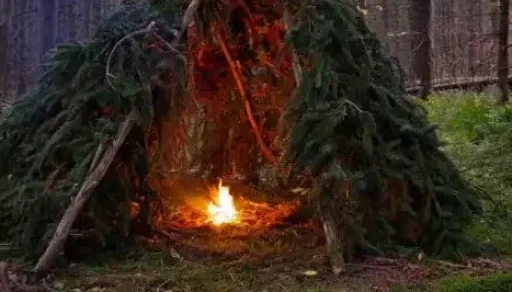
How to Survive Anything
: A Modern Guide to Staying Alive
Survival is no longer just about wilderness skills or extreme scenarios—it is about being prepared for the unexpected in everyday life. Whether you are facing a natural disaster, a power outage, or a sudden emergency in the city, knowing how to survive anything can make the difference between panic and control. This modern survival guide will walk you through practical, realistic steps to help you stay safe, think clearly, and adapt to almost any situation.
Understanding Modern Survival
Many people search for “how to survive anything in modern life” or “basic survival skills for beginners.” They are often looking for simple, actionable advice. Survival today blends traditional knowledge with modern awareness.
At its core, survival depends on three things:
Awareness of your environment
Preparation before something goes wrong
The ability to stay calm under pressure
Unlike survival shows, real-life emergencies are often quieter but more dangerous. Power cuts, transport disruptions, cyber outages, and extreme weather are far more common than dramatic wilderness scenarios.
The Rule of Priorities
A key principle in any survival situation is understanding your priorities. Many experts refer to the “rule of threes,” which helps you focus on what matters most:
You can survive 3 minutes without air You can survive 3 hours without shelter in extreme conditions.You can survive 3 days without water. You can survive 3 weeks without food
This framework is essential when learning how to survive in an emergency situation because it keeps decisions grounded and effective.
Staying Calm in a Crisis
One of the most overlooked survival skills for beginners is emotional control. Panic leads to poor decisions, wasted energy, and unnecessary risks.
To stay calm: Pause and assess the situation before acting.Focus on immediate dangers first.Break problems into small, manageable steps. Breathe slowly to regulate your stress response.
People often search for “how to stay calm during emergencies,” and the answer is simple. train your mind before you need it. Even basic mental rehearsal can significantly improve your reaction in real situations.
Building a Basic Survival Kit
If you want to improve your chances of survival in any situation, preparation is essential. A well-prepared kit is one of the easiest ways to stay ready without overthinking.
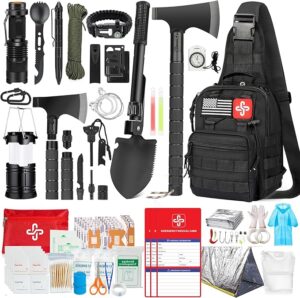
A basic survival kit for home or travel should include:Clean drinking water or a portable water filter. Non-perishable food items. A flashlight with spare batteries.A portable phone charger or power bank.A first aid kit.
A whistle for signalling.A multi-tool or knife.Warm clothing or a thermal blanket
Many people search for “what to include in a survival kit for emergencies,” and the key is simplicity. Your kit should be lightweight, accessible, and regularly checked.
Urban Survival Skills Everyone Should Know
Survival is not just about forests or mountains. Knowing how to survive in a city during a crisis is increasingly important.
Urban survival tips include:Knowing multiple routes home in case transport fails.Keeping a small emergency kit in your bag.Avoiding crowded or high-risk areas during disruptions.Staying informed through reliable news sources.Conserving phone battery and communication tools
A common search phrase is “how to survive in a city during a disaster.” The answer often comes down to awareness and flexibility. Cities offer resources, but they can also become chaotic quickly.
Water: Your Most Critical Resource
If you are learning how to survive without food and water, you will quickly realise water is the priority. Dehydration can impair your thinking within hours.
Key tips for securing water:Always store extra drinking water at home.Learn how to identify safe water sources.Boil or filter water before drinking when possible.Avoid drinking untreated water unless absolutely necessary.
Searches like “how to find clean water in an emergency” highlight how important this skill is. Even basic knowledge can prevent serious illness.
Food and Energy Management
While food is less urgent than water, it still plays a crucial role in maintaining energy and focus.
Simple survival food strategies:Choose high-calorie, long-lasting foods.Eat small portions to conserve supplies.
Avoid unnecessary physical exertion.Prioritise rest when possible
People often look up “best survival foods for long emergencies,” and the answer is practicality over variety. You need reliable fuel, not luxury.
Shelter and Protection
Protection from the elements is essential, especially in colder climates like the UK. Exposure can become dangerous faster than many people expect.
To improve your chances:Stay dry whenever possible.Use layers to retain body heat.Seek solid structures before improvising shelter.Insulate yourself from the ground.
Searching “how to stay warm without electricity.” Simple techniques like layering and reducing heat loss can be life-saving.
Communication and Information
In modern survival scenarios, information is power. Knowing what is happening around you helps you make better decisions.
Best practices include:Keeping devices charged.Having backup communication methods.Monitoring trusted news sources.Avoiding misinformation or panic-driven rumours.
Many people search for “how to stay informed during a crisis.” The answer lies in preparation and critical thinking.
Situational Awareness
One of the most valuable survival habits is awareness. This means understanding your surroundings and recognising potential risks before they escalate.
You can improve situational awareness by:Observing exits and entry points in buildings.Noticing unusual behaviour or changes in environment.Avoiding distractions in unfamiliar areas.Trusting your instincts when something feels wrong.
This skill is often overlooked but is essential for anyone wanting to learn how to survive dangerous situations.
Adapting to the Unexpected
No guide can cover every possible scenario, which is why adaptability is key. The ability to adjust your plan based on changing conditions is what separates those who cope from those who struggle.
To build adaptability:Learn a variety of basic skills.Practice problem-solving in everyday situation. Stay physically and mentally resilient.Keep your plans flexible
Search terms like “how to survive unexpected situations” reflect a growing awareness that resilience is not about perfection. It is about adjustment.
Final Thoughts on how to Survive Anything
Learning how to survive anything is not about fear—it is about confidence. When you understand the basics of survival, you move through life with a greater sense of control and awareness.
You do not need extreme training or expensive gear to stay safe. Start small. Build your knowledge gradually. Focus on practical steps that fit your lifestyle.
In a world that is increasingly unpredictable, preparation is not extreme—it is sensible. And the more prepared you are, the more capable you become of handling whatever comes your way.
Q & A
: How to Survive Anything – A Modern Guide to Staying Alive
What does “how to survive anything” actually mean?
It means building practical skills and habits that help you stay safe, calm, and effective in almost any unexpected situation—from power cuts and natural disasters to urban emergencies and travel mishaps. It’s not about paranoia; it’s about preparation and clear thinking.
What are the most important survival skills for beginners?
Focus on these core areas first:Staying calm under pressure. Securing clean water. Finding or creating shelter.
Basic first aid. Situational awareness. Simple navigation and communication plans.
These skills cover the majority of real-life emergencies and give you the biggest return on effort.
Do I need expensive gear to survive emergencies?
No. Most effective survival steps are low-cost:A basic first aid kit. A torch and spare batteries.A portable phone charger.Some bottled water and non-perishable food.Warm clothing and a blanket.
You can build a solid emergency kit gradually without spending a fortune.
How can I stay calm in a crisis?
Try this simple process:Pause: Stop and take three slow breaths. Assess: What is the immediate danger?Prioritise: Focus on air, shelter, water, then food.Act in small steps: Break the problem into tiny, doable actions.
Practising this mentally before an emergency makes it easier to use in real situations.
What should I do first in an emergency?
Follow this order:
Ensure your immediate safety (move away from danger if possible).
Check yourself and others for serious injuries.
Call emergency services if needed (999 in the UK).
Secure shelter, warmth, and water.
Conserve energy and stay informed via reliable sources.
This sequence aligns with the “rule of threes” and keeps your priorities clear.
How much water should I store for emergencies?
Aim for at least:
2–3 litres per person per day for drinking
Extra for hygiene if possible
A simple target is 3 days’ supply minimum, ideally 1–2 weeks if you have space. Store in clean, food-grade containers and rotate every 6–12 months.
What are the best foods to keep for survival situations?
Choose foods that are:Long shelf-life (canned goods, dried pasta, rice, oats).High in calories and nutrients (nuts, peanut butter, tinned fish). Easy to prepare with minimal water and no cooking if needed
Avoid relying on foods that need lots of water or refrigeration.
How can I prepare my home for emergencies?
Key steps:
Keep a basic emergency kit in an accessible place
Store water and non-perishable food
Have a torch, radio, and spare batteries
Know how to shut off gas, water, and electricity
Create a simple family plan: where to meet, how to contact each other
Small, consistent actions make a big difference when something goes wrong.
Is survival mainly about physical skills or mental resilience?
Both, but mental resilience is often more important. Panic causes more problems than lack of gear. If you can stay relatively calm, think clearly, and adapt, you’ll handle most situations far better than someone with more equipment but poor decision-making.
Where can I learn more about modern survival skills?
Start with: Reputable first aid courses: American Red Cross, American Heart Association (AHA), and Health & Safety Institute (HSI). In the UK: British Red Cross, St John Ambulance.
Government advice on emergency preparedness
Trusted online guides and books on practical survival
Local outdoor or wilderness skills workshops
Focus on realistic, modern advice rather than extreme “doomsday” content.
medical survival for this site